Understanding the Structure of Cycling Teams
In the world of competitive cycling, the structure and dynamics of cycling teams play a crucial role in determining their success. As the sport evolves, understanding the composition of these teams becomes increasingly important for fans, aspiring cyclists, and industry stakeholders alike. Teams are not just collections of individual cyclists; they are intricate ecosystems that thrive on collaboration, strategy, and shared goals. This article delves into various aspects of cycling teams, shedding light on their roles, challenges, and strategies as we approach the pivotal year of 2026.
When exploring options, squadre ciclismo provides comprehensive insights into the dynamics at play within these units. Understanding the nuances of team composition, from support riders to team leaders, can illuminate the path that leads to victory in competitive events.
What are Squadre Ciclismo?
The term "squadre ciclismo," which translates to "cycling teams," encompasses a range of professional and semi-professional groups that participate in racing events around the globe. These teams are organized under various classifications, including UCI WorldTeams, ProTeams, and amateur groups. Each category has specific requirements and operates under the regulations set by the Union Cycliste Internationale (UCI).
At the highest level, UCI WorldTeams represent the elite of cycling, consisting of well-funded teams that compete in major tours and championships. ProTeams, although slightly less prominent, serve as a proving ground for talented cyclists aiming to ascend to the elite ranks. Understanding these classifications helps contextualize the competition and the dynamics that unfold during races.
The Role of Team Dynamics in Racing
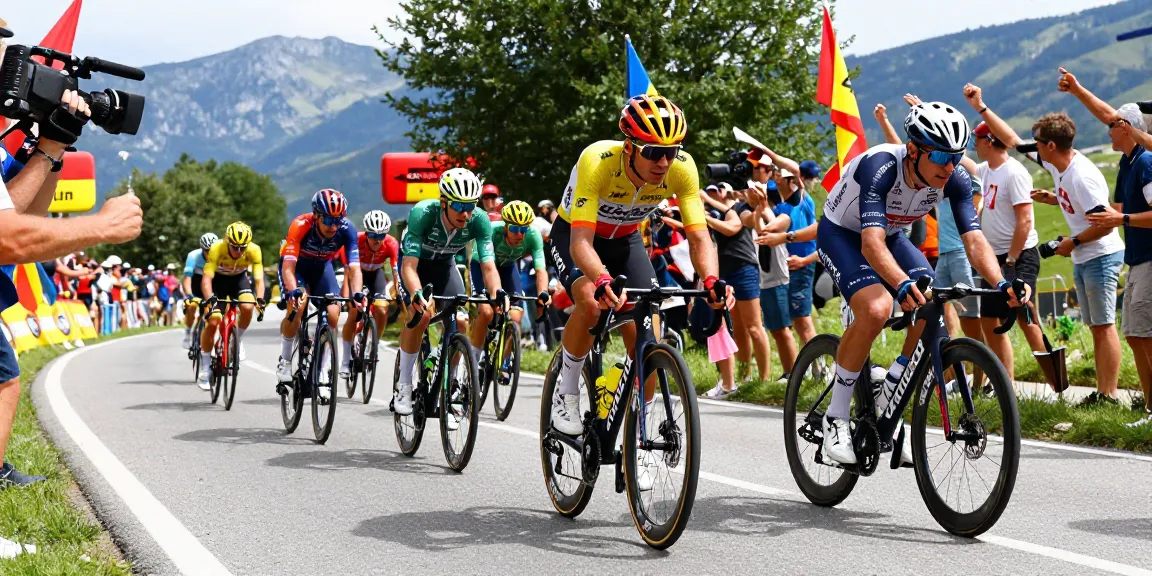
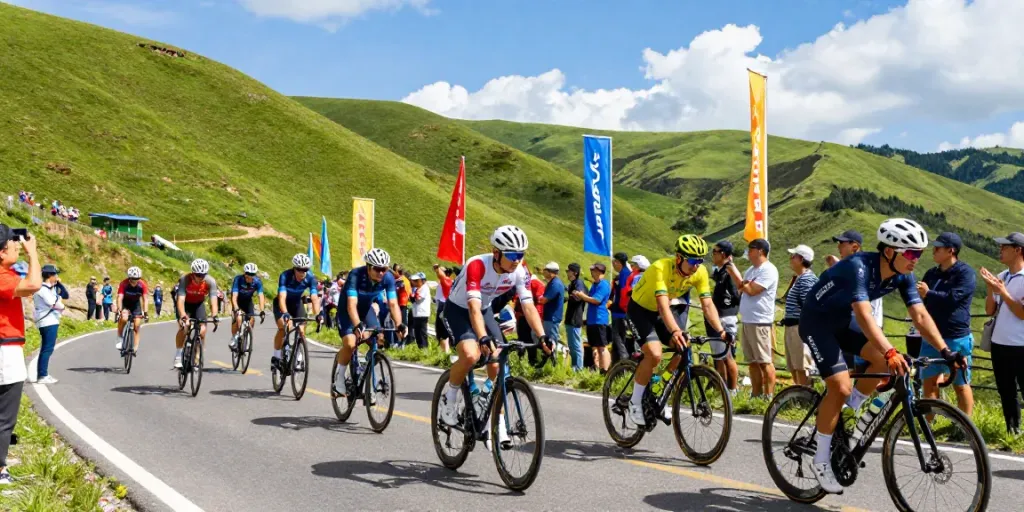
Team dynamics are critical to the performance of cycling squads. The balance between individual talent and cohesive teamwork often determines race outcomes. A successful cycling team relies on the ability of its members to work together, sharing the workload through techniques like drafting, pacing, and strategic positioning throughout the race. This synergy becomes particularly evident in stage races like the Vuelta a España, where collaboration can be the difference between winning and merely participating.
Key Components of a Successful Cycling Team
- Team Composition: A balance of climbers, sprinters, and support riders is essential.
- Coaching and Strategy: Effective coaching can turn a good team into a great one.
- Physical Conditioning: Continuous training and injury management play vital roles.
- Team Spirit: Fostering a supportive culture enhances performance under pressure.
Top Cycling Teams to Watch in 2026
As we look toward 2026, several cycling teams stand out for their potential to achieve success in major competitions. Trends in recruitment, training, and technology are reshaping the landscape of professional cycling, leading to the rise of promising teams that could disrupt the established hierarchy.
Overview of UCI WorldTeams and ProTeams
The UCI WorldTour is home to prominent teams such as Jumbo-Visma, UAE Team Emirates, and INEOS Grenadiers. Each team boasts a roster of world-class athletes, many of whom are household names in cycling. These teams not only bring star power but also significant financial backing, allowing them to invest in top-tier equipment and technology, high-level coaching staff, and extensive training facilities.
ProTeams, by contrast, operate with more modest budgets but are often crucial for developing young talent who may one day ascend to the ranks of the WorldTour. Teams like EF Education-Nippo and Movistar have historically served as platforms for cyclists to hone their skills and gain exposure.
Spotlight on Emerging Teams in 2026
In addition to established giants, several emerging cycling teams are making waves in the professional cycling world. Teams such as Soudal-Quick-Step and Alpecin-Deceuninck are rapidly gaining recognition, particularly with their proactive recruitment strategies and innovative training methodologies. Their ability to cultivate fresh talent and adapt rapidly to competitive dynamics gives them a significant edge as they move into the 2026 racing season.
Analyzing the Performance of Established Teams
Established teams with a history of success, such as Team Jumbo-Visma and Ineos Grenadiers, are continually refining their strategies to maintain their dominance. Analyzing their recent performance in grand tours provides insight into how they balance the needs of veteran riders with the ambition of newcomers. The interplay between experience and youthful exuberance often plays a decisive role in close competitions.
Challenges Faced by Cycling Teams
However, the path to success is fraught with challenges. Cycling teams must navigate a complex landscape of financial constraints, athlete management, and evolving competition formats.
Funding and Sponsorship Challenges
Securing sponsorship is a perennial challenge for cycling teams, especially for those not in the WorldTour. With the growing commercialization of the sport, teams are increasingly reliant on external funding to meet their operational costs, including travel, equipment, and salaries. The failure to secure adequate sponsorship can jeopardize a team's future, underscoring the importance of robust marketing strategies and public relations.
Team Selection and Racer Development
As teams expand and contracts come up for renewal, selecting the right mix of riders becomes crucial. Teams must evaluate performance metrics, potential for growth, and how new recruits will fit into the existing dynamics. Developing riders through junior programs or recruitment from smaller teams can be a strategic advantage, ensuring a steady influx of talent.
Injury Management and Recovery Strategies
Injuries can derail a team's prospects in any given season. It is essential for teams to have comprehensive health and recovery programs in place. Utilizing technology for injury prediction, monitoring, and management is increasingly becoming a standard practice. Collaboration with sports scientists and medical professionals ensures that cyclists can recover quickly while remaining in peak physical condition.
Strategies for Enhancing Team Performance
To excel in the competitive sphere of cycling, teams adopt various strategies aimed at enhancing overall performance. From rigorous training plans to embracing technology, effective approaches can significantly boost a team's chances of success.
Effective Training Regimens for Cyclists
Training regimens must be tailored to the unique needs of each cyclist while simultaneously promoting team cohesion. High-intensity interval training combined with endurance rides ensures that athletes build the necessary stamina and speed for competitive events. Additionally, teams often incorporate altitude training and nutrition plans that are crucial for peak performance.
Utilizing Technology for Race Analysis
Modern cycling teams leverage technology to analyze race data meticulously. Tools like power meters and GPS tracking systems provide real-time feedback during training and races. Post-race analysis allows teams to assess performance levels and refine their strategies for subsequent events.
Building a Supportive Team Culture
A positive team culture fosters collaboration and resilience. Teams that promote open communication, mutual respect, and shared aspirations often perform better under pressure. Regular team-building exercises, both on and off the bike, can strengthen bonds and enhance performance dynamics.
The Future of Cycling Teams Beyond 2026
As we look beyond 2026, the future of cycling teams appears vibrant yet challenging. Various trends are shaping the evolution of squads, from technological advancements to shifting audience engagement.
Trends Shaping the Future of Squadre Ciclismo
Innovation in training methodologies and performance analysis is set to reshape team structures. Increasingly, teams are investing in sports science and data analytics to enhance their competitive edge. The rising popularity of cycling across diverse demographics also presents teams with new opportunities for fan engagement and sponsorship.
Predictions for Team Success Factors
Future success for cycling teams is likely to hinge on their adaptability to changes in the sport and their ability to nurture talent. As younger cyclists enter the professional scene, teams must balance experience with fresh ideas and energy to stay competitive.
Innovations in Team Management and Training
Innovative training camps and remote coaching solutions are expected to gain traction. The use of virtual reality for training simulations could enhance preparatory strategies, allowing teams to practice tactics in a controlled environment before applying them in real races.
What are the top teams in the UCI World Tour for 2026?
The leading teams are expected to remain consistent with giants like Jumbo-Visma, UAE Team Emirates, and INEOS Grenadiers leading the pack. However, emerging squads could surprise fans with their performances.
How do cycling teams select their members?
Team selection is based on performance metrics, potential for growth, and compatibility with team dynamics.
What technology do teams use for performance analysis?
Cycling teams utilize power meters, GPS tracking, and software platforms for comprehensive race data analysis.
How can teams maintain sponsorship in a competitive market?
Building strong brand identities, engaging with fans, and showcasing results are key strategies for securing sponsorship.
What are the key components for a successful cycling team?
A blend of skilled riders, strong coaching, effective communication, and supportive team culture is essential for success.